
Nuclear Medicine Therapy
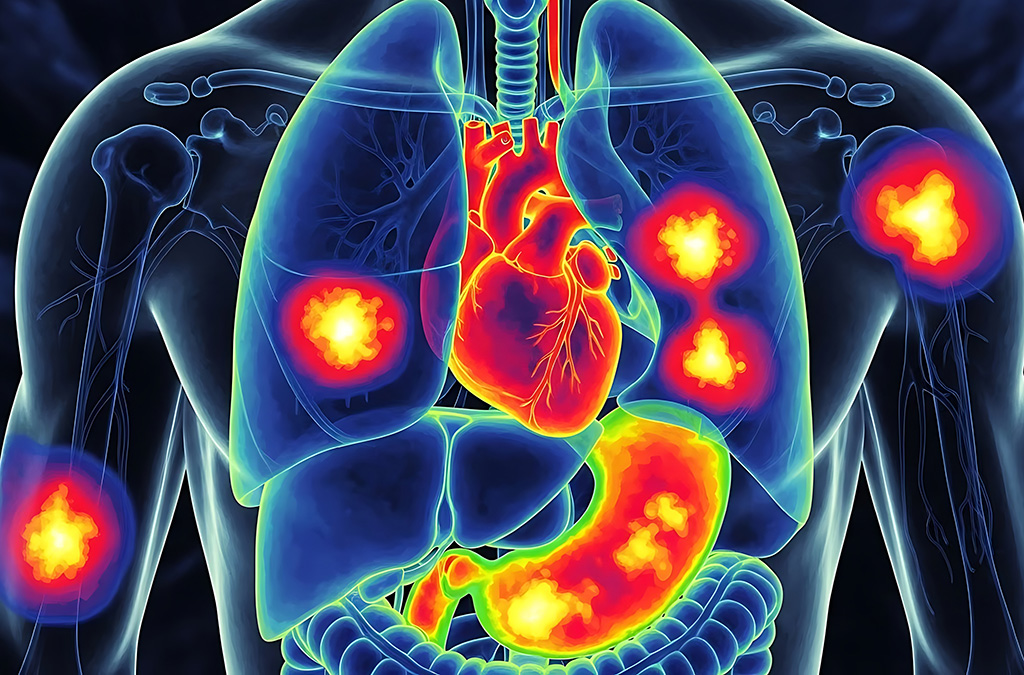
Nuclear Therapy (also called Radionuclide Therapy) is a medical treatment that uses targeted radioactive substances to treat disease from inside the body. Unlike diagnostic nuclear medicine—which focuses on imaging—nuclear therapy is designed to deliver radiation directly to diseased cells, minimising damage to surrounding healthy tissue.
Key difference from diagnostic nuclear medicine
Diagnostic Nuclear Medicine: uses small tracer doses to detect disease
Nuclear Therapy: uses therapeutic doses to treat disease
In essence, Nuclear Therapy turns advanced imaging knowledge into targeted, internal radiation treatment, offering powerful, minimally invasive options for complex conditions.
FAQs
Do I need an appointment for Nuclear Medicine Therapy?
Yes, all Nuclear Medicine Therapies require an appointment. Please contact our clinic by phone, visit us in person, or submit your referral to book the next available time.
What are the benefits of Nuclear Medicine Therapy?
Nuclear therapy offers precision treatment with minimal impact on healthy tissue, targeting disease at a cellular level. It is often effective in cases where other treatment options are limited and can be used either on its own or in combination with surgery, chemotherapy, or external radiation therapy.
What is radiation?
Radiation is a type of energy that exists in our environment in many forms. It comes from both natural and man-made sources. Light that allows us to see, and the warmth we get from the sun or from a fire, are natural forms of radiation. Examples of man-made radiation include the microwave radiation that is used for cooking, and radio waves used for communication over long distances. Ionising radiation comes from both natural and man-made sources. It comes from outer space, the sun, the earth, the air and our food and drink, and from building materials such as concrete, bricks and mortar. This is the natural background radiation to which everyone is exposed. Nuclear medicine studies use ionising radiation, as do x-ray studies.
Is Nuclear Medicine safe?
Nuclear Medicine is extremely safe because the radioactive tracers, or radiopharmaceuticals, used are quickly eliminated from the body through its natural functions. In addition, the tracers used rapidly lose their radioactivity. In most cases, the dose of radiation necessary for a scan is very small. For example, a patient having a lung scan is exposed to the same dose of radiation they would receive from two return air flights between Sydney and London.
How are radiopharmaceuticals produced?
Australia is one of a limited number of countries that produce the radioactive tracers necessary for diagnostic nuclear medicine. If we were not able to produce radiopharmaceuticals here, we would have to import them from as far away as Europe, South Africa or North America.
The radiopharmaceuticals are primarily manufactured at two facilities operated by ANSTO – at its nuclear research reactor located at Lucas Heights, near Sydney, and at its cyclotron at Camperdown in Sydney. Smaller cyclotrons operate in Melbourne, Brisbane and Perth. The manufacturing processes at all facilities are regulated by strict quality control requirements approved by the government. Although both reactors and cyclotrons can produce radiopharmaceuticals, each produces a different type of radiopharmaceutical. Both types are supplied to nuclear medicine centres across Australia. Hence, both reactors and cyclotrons are necessary.
What is Nuclear Medicing Therapy used for?
Nuclear Therapy is commonly used to treat:
- Thyroid conditions (e.g. hyperthyroidism, thyroid cancer)
- Neuroendocrine tumours (e.g. PRRT therapy)
- Prostate cancer (e.g. PSMA therapy)
- Bone metastases to relieve pain
- Certain lymphomas and other cancers
Should I prepare for my Nuclear Medicine Therapy in any way?
Some treatments may require special preparation. Make sure your doctor explains this for you. It is important that you read all the material given to you prior to your appointment. If further information is required, please ring your referring doctor or Wide Bay Nuclear Medicine.
What does Nuclear Medicine Therapy involve?
By far the widest application of nuclear medicine is for diagnosis. However, there are a number of occasions when radioactive materials are used to treat certain conditions, particularly cancer. This is known as therapy.
The most common conditions treated are overactive thyroid and thyroid cancer. Radiopharmaceuticals are also injected into the body, usually into the joints, to treat conditions such as arthritis. Newer treatments involve the intravenous injection of radiopharmaceuticals for the relief of pain from tumours that have spread to bone.
Will it hurt?
A scan involves nothing more painful than an injection into a vein, rather like the one you’d have for a blood test. Injections given subcutaneously as part of lymphoscintigraphy may sting for a few seconds.
Will I have to stay in hospital?
If you are undergoing therapy, for example for an overactive thyroid gland, you will be treated as an outpatient and won’t need to stay in hospital. There will be some simple precautions regarding coming in close contact with people. This is not because of any risk to your health but because our doctors want to ensure that the remnants of the radiopharmaceuticals are dealt with safely when they are excreted from your body. Detailed written instructions will be provided for you.
Some therapy, for example for thyroid cancer, requires admission to a specially shielded room in a hospital for a few days.
Who carries out Nuclear Medicine procedures?
If your doctor recommends you for a scan or nuclear medicine treatment, you will be placed in the care of our team of specially trained professionals. Physicians, technologists, nurses and pharmacists will ensure that you receive a high level of care and that your doctor is provided with accurate reports on your condition.
Are there any side effects?
Side effects are extremely rare for diagnostic scans. Allergic reactions are usually very mild, for example skin rashes happen about 1 in 10,000 bone scan injections. When radiation or radiopharmaceuticals are used in therapy, there are sometimes minor side effects such as nausea or swelling in the salivary glands. To prevent the latter, patients are often advised to simply suck lollies.
What happens after therapy?
Wide Bay Nuclear Medicine’s specially trained physicians will report on the scan’s appearance and send the results to your doctor to evaluate, together with those of any other tests you may have had. In the majority of cases, you will be able to continue your daily lifestyle as usual.
If you have any queries please do not hesitate to discuss them with your referring doctor or with us at Wide Bay Nuclear Medicine.
How much does it cost?
Wide Bay Nuclear Medicine bulk bills most Medicare-eligible services. If there are any fees associated with your exam, our team will inform you beforehand.